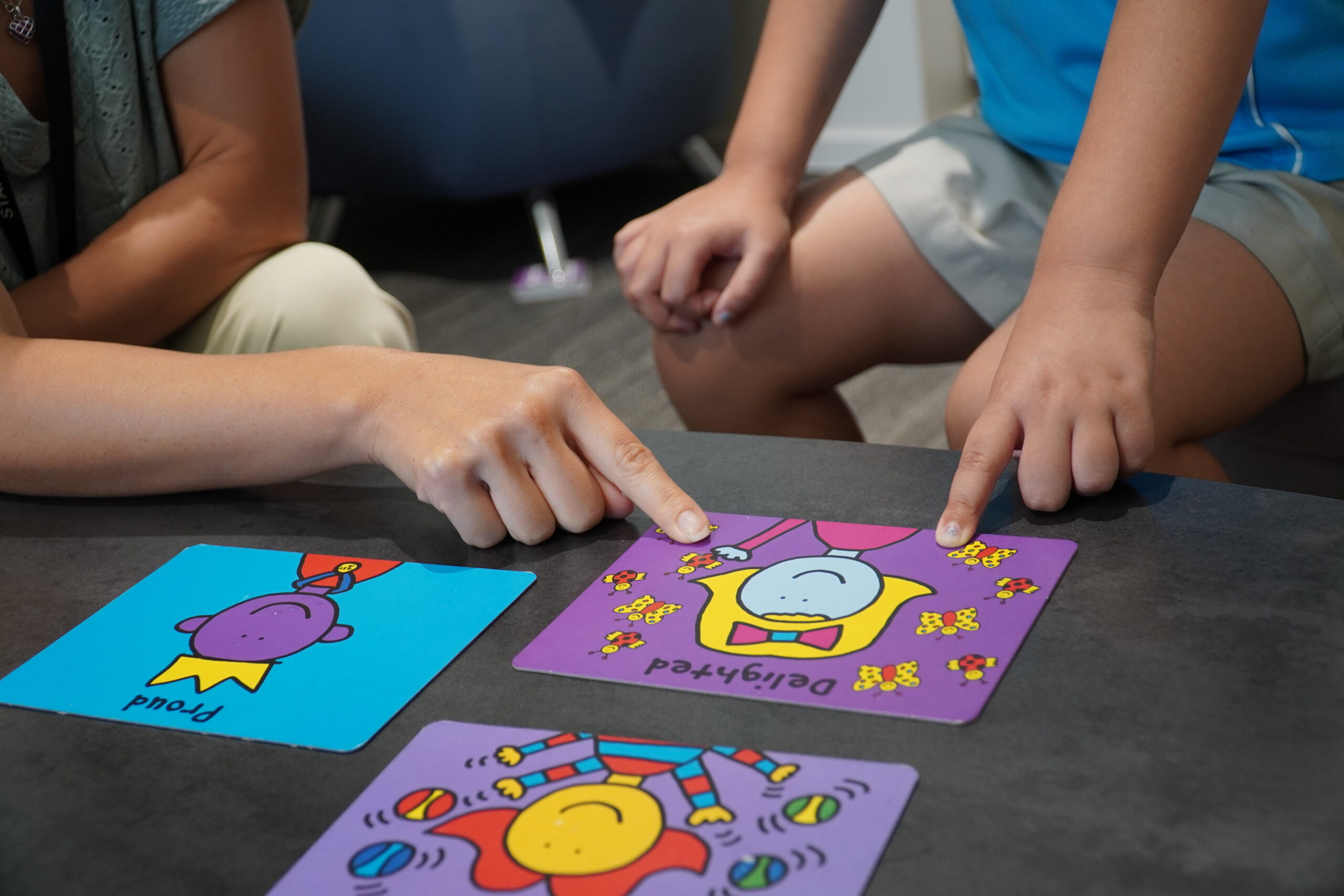
Homesickness is a natural and common experience for children adjusting to life as expatriates. While moving abroad can be an exciting adventure, it brings significant emotional challenges as children may struggle with losing familiarity, routines, and relationships. As parents, understanding and addressing homesickness will help your child navigate those difficult moments and transition to their new life.
What are the Signs of Homesickness?
Recognising the signs of homesickness early can help parents provide the right support and prevent feelings from escalating. Homesickness in children can manifest through a combination of emotional, physical and behavioural changes. Be attentive to these signs, especially during major transitions such as moving abroad.
Emotional Signs
Sadness and crying for no apparent reason, as children may miss familiar people and places
Anxiety, nervousness or feelings of panic in new or unfamiliar settings
Irritability, anger or mood swings and becoming easily frustrated
Feelings of hopelessness or loneliness
Physical Symptoms
Appetite changes, such as eating less or showing little interest in food
Sleep issues, including falling asleep, frequent wakings and nightmares
Other physical complaints like headaches, stomachaches, nausea or fatigue
Behavioural Changes
Withdrawal from usual activities and avoiding social interactions
Increased need for reassurance and attention
Excessive calls or messages to you expressing discomfort or struggles with adjusting
By staying alert to these signs, you can intervene early and help your expat child navigate the challenges of homesickness before it becomes overwhelming.
6 Ways to Help Your Child Cope with Homesickness
Supporting your expat child through homesickness requires a blend of empathy, structure, and proactive engagement. The following effective strategies will help your child navigate these feelings:
Providing emotional support is essential in helping your child cope with homesickness.
Start by openly acknowledging and validating their feelings, reassuring them that missing home and feeling unsettled is completely normal after such a big change. Encourage your child to express their emotions without judgment, creating a safe space for honest conversations. Help them understand that homesickness is not a sign of weakness but rather a reflection of the strong bonds they have with their loved ones.
By reframing these feelings as an opportunity for personal growth and resilience, you can empower your child to see their expat experience as a valuable journey that will help them develop new strengths and perspectives.
2. Facilitate Social Support
Supporting your child with your presence as well as facilitating social activities for them will help them settle into their environment.
Encourage your child to participate in social activities, both within and outside of school, to help them build new friendships and feel less isolated.
Explore your new surroundings together as a family-visit local parks, museums, or community events to foster a sense of adventure and belonging.
Seek out expat groups or school-based initiatives where children can connect with peers who share similar backgrounds or languages, such as group chats or buddy systems.
Maintaining strong ties to home can provide comfort and reassurance for your expat child. Here are some practical ways to keep those connections alive:
Use video calls, phone chats, and messaging apps to regularly connect with family and friends.
Encourage your child to send postcards, emails, or photos to loved ones back home.
Plan visits or trips back home to give your child something positive to look forward to.
Surround your child with familiar comfort items, such as favourite toys, blankets, or family photos, to create a sense of security.
Helping your child feel settled in their new environment starts with maintaining familiar routines and traditions from home, which provide stability and comfort amid change.
At the same time, encourage the creation of new family rituals that celebrate your life abroad, blending old and new experiences to foster a sense of belonging. Allow your child to personalise their living space with favourite belongings and meaningful items, making their expat home feel safe and welcoming. By being present and engaged in this way, you help your child build a strong connection to their new surroundings while honouring the roots they carry with them.
5. Encourage Healthy Habits
Promote your child’s well-being by encouraging regular physical activity, outdoor play, and maintaining a balanced daily routine. Supporting them to continue hobbies they enjoyed at home or explore new interests in their new environment helps maintain a sense of normalcy and joy, which can significantly ease feelings of homesickness.
6. Find Professional Help
If your child’s homesickness persists or begins to impact their daily well-being, it’s important to seek additional support. Start by communicating your concerns with their school, as many international schools offer counselling services, peer support programs, or connections to other children from similar backgrounds. Additionally, consider consulting a mental health professional experienced in working with expat families who can provide tailored guidance and coping strategies. Engaging with expat communities or support groups can also offer valuable social and emotional resources to help your child feel understood and supported.
Supporting your expat child through homesickness involves empathy, consistency, and creativity. By validating their feelings, maintaining connections to home, and helping them build new routines and relationships, you give your child the tools to not only manage homesickness but also to grow from the experience. With time and support, most children adapt and come to embrace their new life abroad
Supporting Expat Families at Nexus
Nexus International School (Singapore) offers a welcoming and supportive environment tailored to the unique needs of expat children and their families. With a diverse community representing over 60 nationalities, Nexus fosters inclusion and belonging through its child-centred approach, known as The Nexus Way, which emphasises mindsets, relationships, inclusion, and innovation in every aspect of school life.
At Nexus, we provide extensive pastoral care and career guidance, ensuring students receive ongoing emotional and social support. We collaborate closely with parents, teachers, and external professionals to address individual learning and emotional needs, providing tailored support plans when necessary.
To find out more about our school and community, book a tour with our admissions team.