We are located in central Singapore with close access to two MRT lines and various bus stops.
1 Aljunied Walk, Singapore 387293
From Dice Rolls to Decision-Making: Dungeons & Dragons at Nexus
Learning at Nexus does not stop when the school day ends. With over 100 co-curricular activities on offer, learners are encouraged to explore their interests, enjoy new experiences and excel beyond the classroom. From sports and performing arts to science, technology and creative hobbies, there is truly something for everyone.
One such journey begins not on a sports field or in a lab, but around a table. Dice are rolled. Characters take shape. Stories unfold. Welcome to the Dungeons & Dragons CCA.
A Campaign Years in the Making
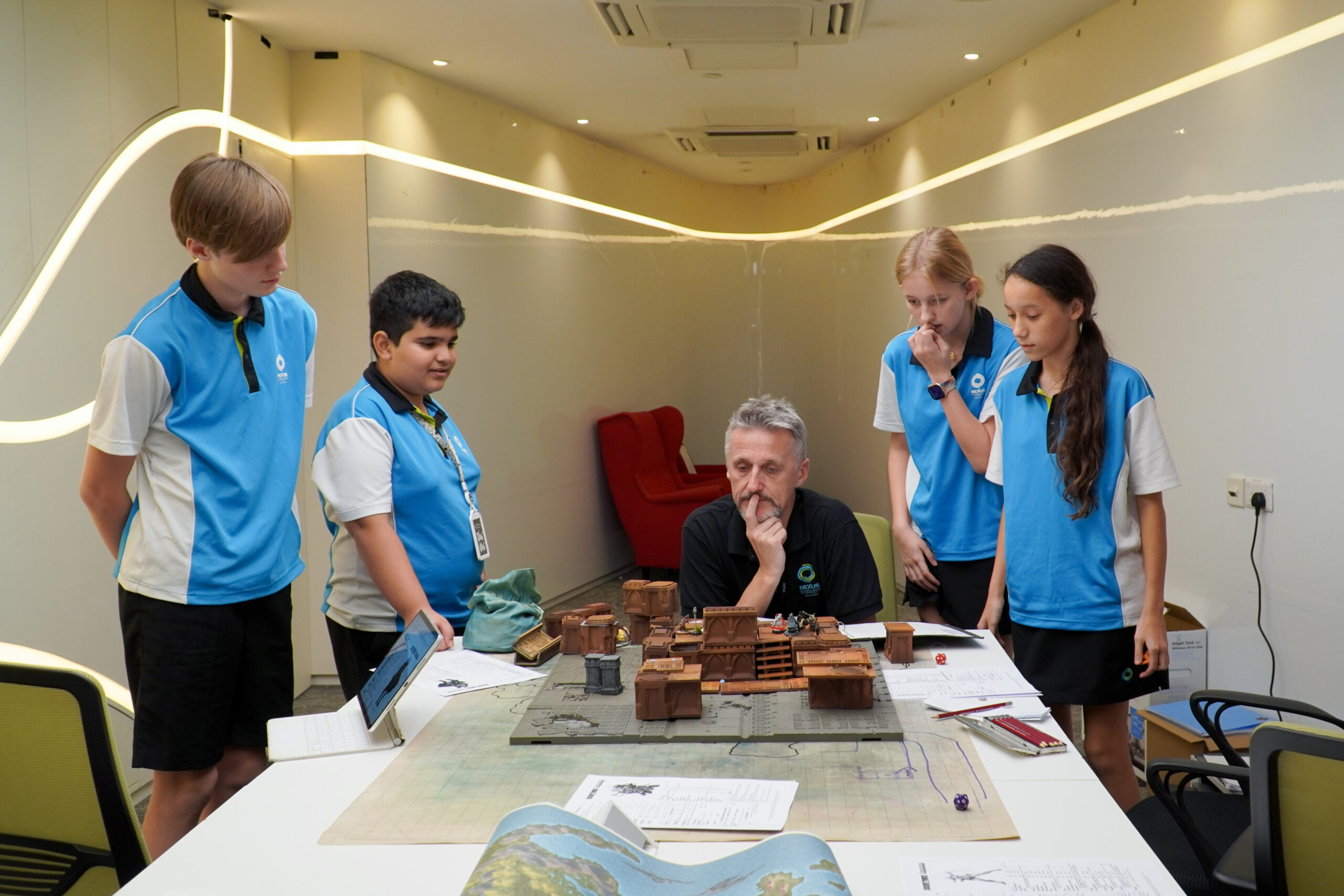
The Dungeons & Dragons CCA has been part of Nexus for more than a decade, led by Mr Rene, Nexus Admissions Assistant Manager and the group’s Game Master.
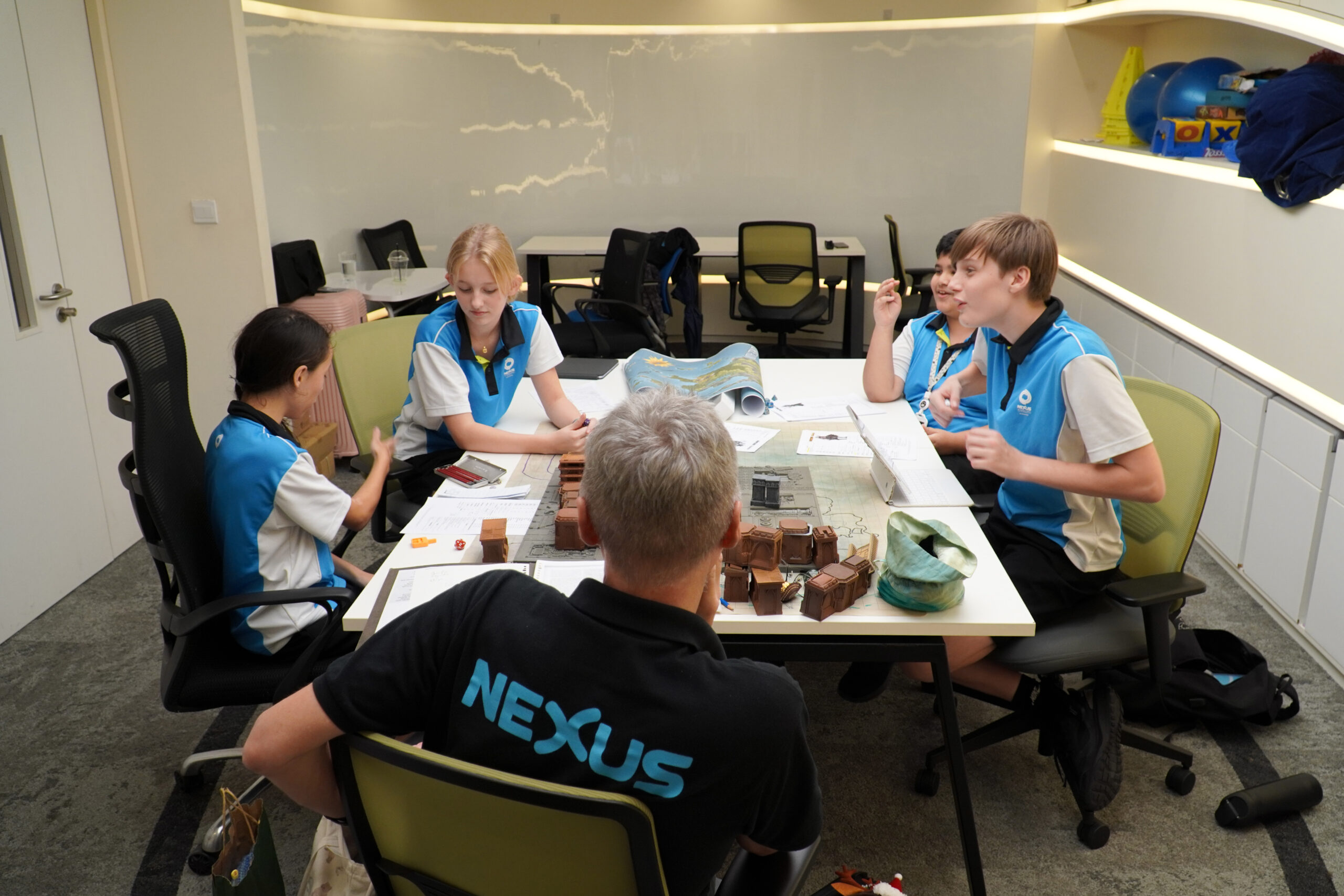
For those new to the game, Dungeons & Dragons is a collaborative storytelling experience where learners gather around a table to bring adventures to life. Whether you are an elf, a wizard, a warrior or something entirely different, each learner steps into a character and works with their party to explore imagined worlds, overcome challenges and shape the story together through decision-making, creativity and a roll of the dice.
“I have been running this CCA from when I started working at Nexus some 11 years ago,” says Mr Rene. “We even played during the home learning phase of the Covid 19 pandemic, pivoting from in-house sessions to online sessions after school, making us the only CCA to continue running during that time.”
Many learners join the CCA with no prior experience, something Mr Rene and the group actively support.
“D&D can be daunting to start for a new learner, that is true,” he says. “Luckily, the ‘older’ D&D players in the group are very good at taking new players under their wing.”
From the outside, a session may appear fast-paced and unpredictable, with stories unfolding in unexpected directions as learners respond to the challenges set before them.
Mr Rene explains, “Each session involves lots of talking, planning strategies, combating monsters, negotiating with snooty-nosed nobility… basically having a lot of fun.”
However, beneath the energy is a carefully structured experience centred on collaboration, strategy and shared storytelling, where every learner has a role to play in the adventure.
From Level Zero to Hero
Unlike a one-off activity, the Dungeons & Dragons CCA unfolds over time. The structure allows learners to return season after season, developing characters and the narratives that grow alongside them.
“The CCA is semi-open, meaning that the current players are given preference in the next season if they want to continue,” says Mr Rene. “This allows me to plan an epic story where the players will go from Zero to Hero.”
Here, storylines stretch across years, not weeks.
“For instance, a villain they might have encountered in 2024 could resurface again in 2026!”
This long-form storytelling encourages learners to think ahead, reflect on past decisions and understand how individual choices shape collective outcomes.
Bringing the World to Life
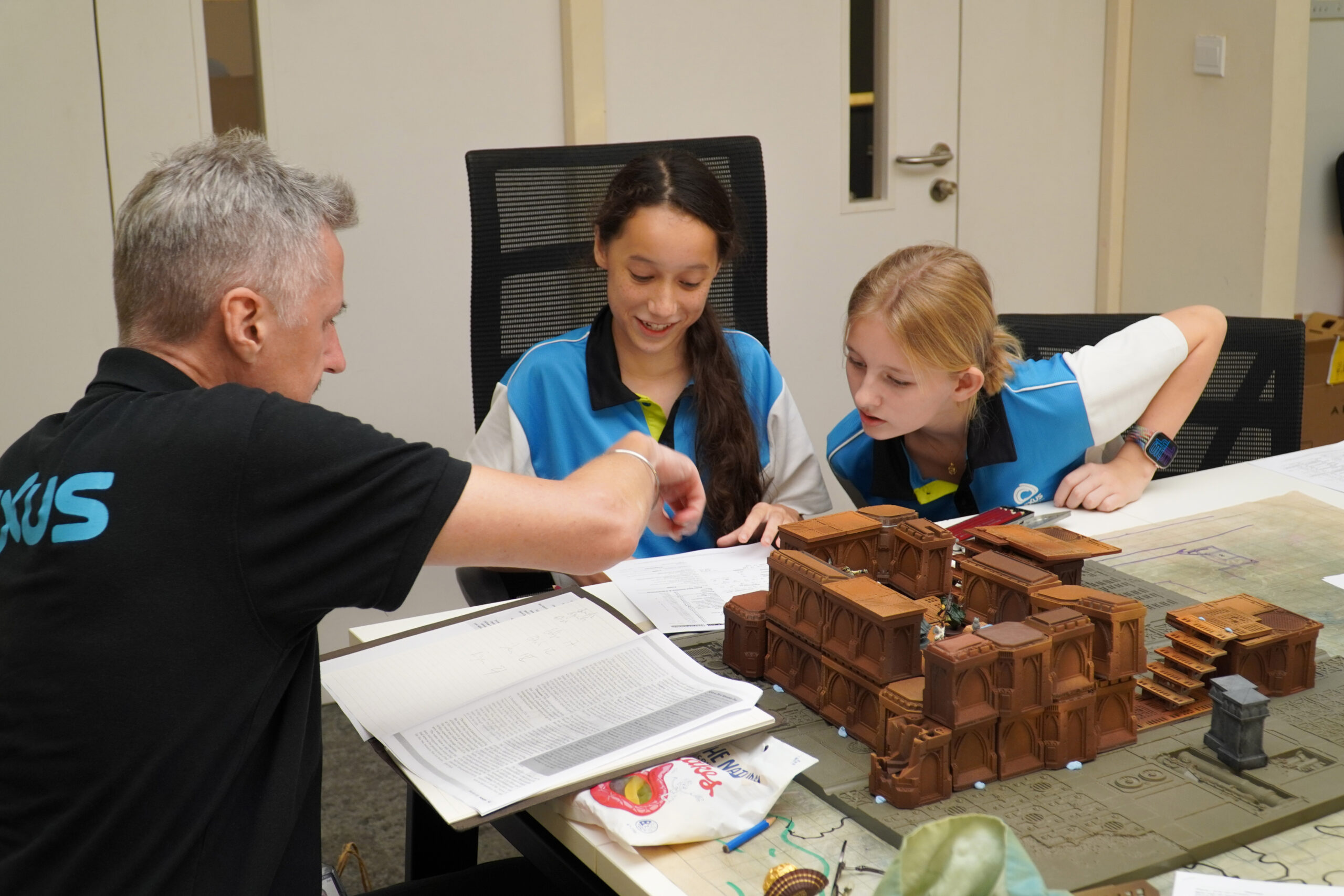
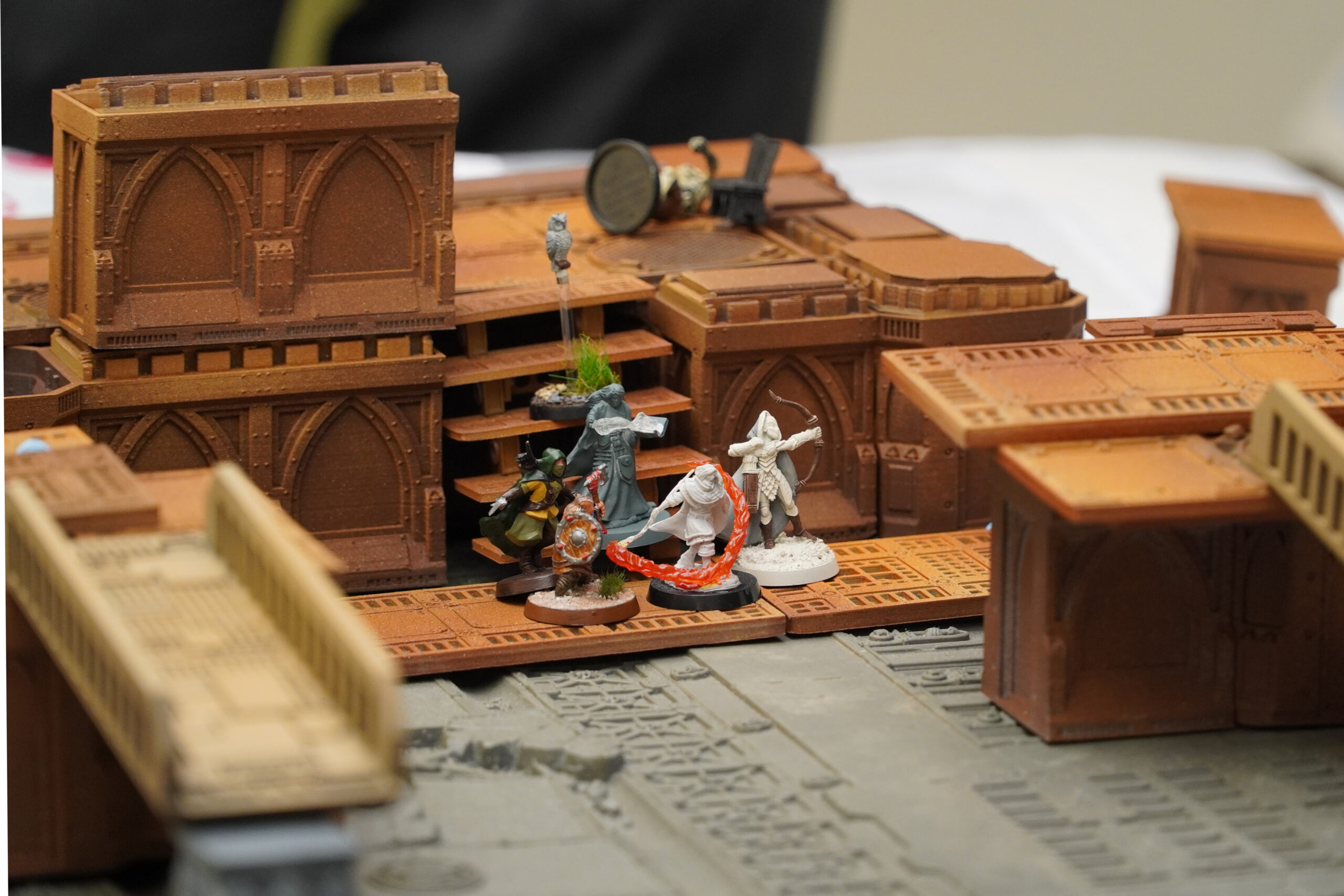
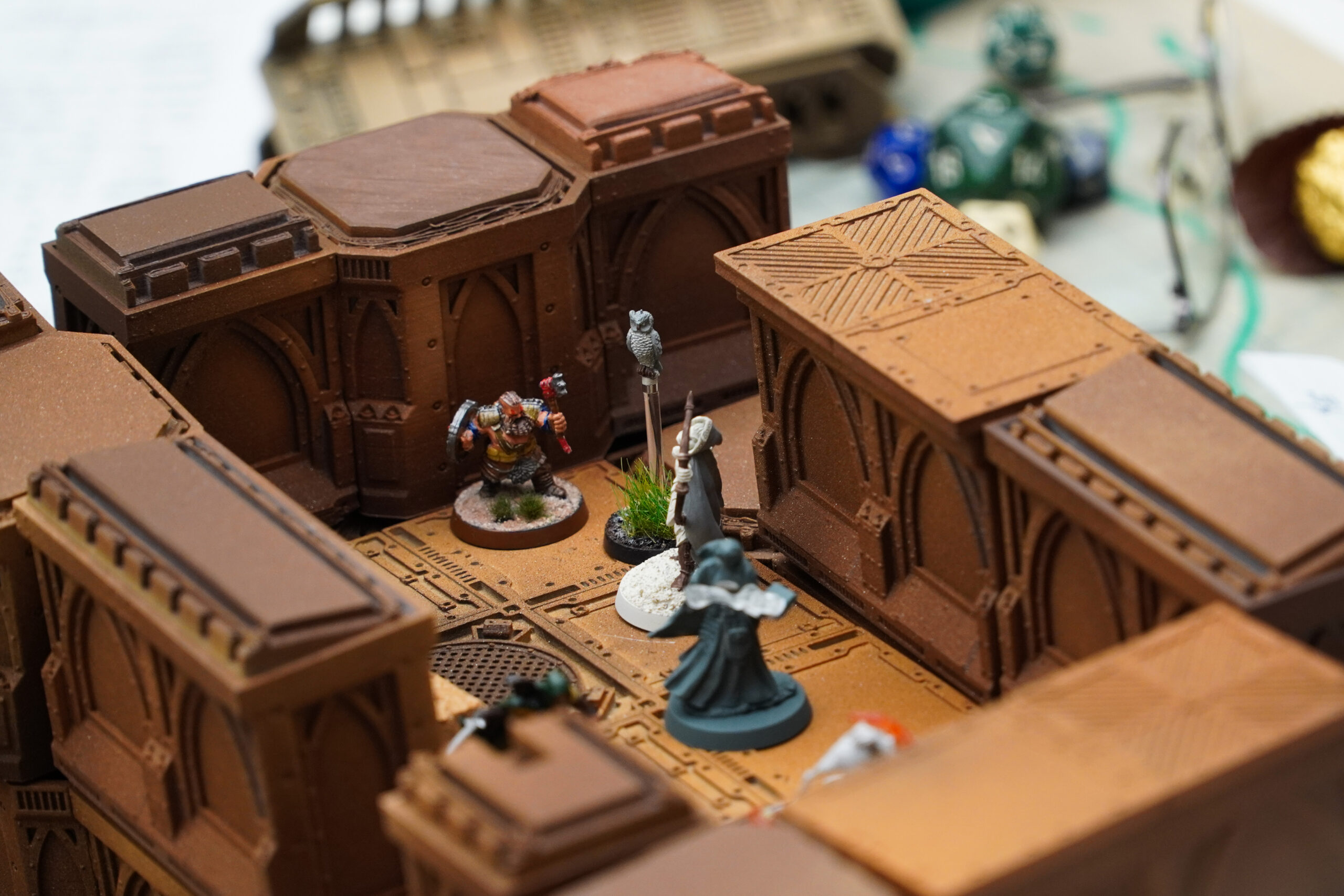
While imagination plays a central role, the fantasy does not exist only in the mind. Mr Rene uses 3D printing to create terrain, environments and objects that bring the story to life.
“A Dungeons and Dragons game can be played in many ways,” he explains. “Some like to use what is called ‘theatre of the mind’ where you visualise the surroundings your character is in. I like to help with that a little by 3D printing terrain pieces or objects to assist my players.”
From city streets to marketplaces and even ships, these tangible elements help learners visualise shared spaces and engage more deeply with the narrative.
“It’s always a little easier to visualise a city street if the table you are playing around actually has a few buildings on it,” he says. “I once also 3D printed a whole ship as my players managed to obtain a 2-masted caravel on their quest!”
Belonging, Strategy and Controlled Chaos
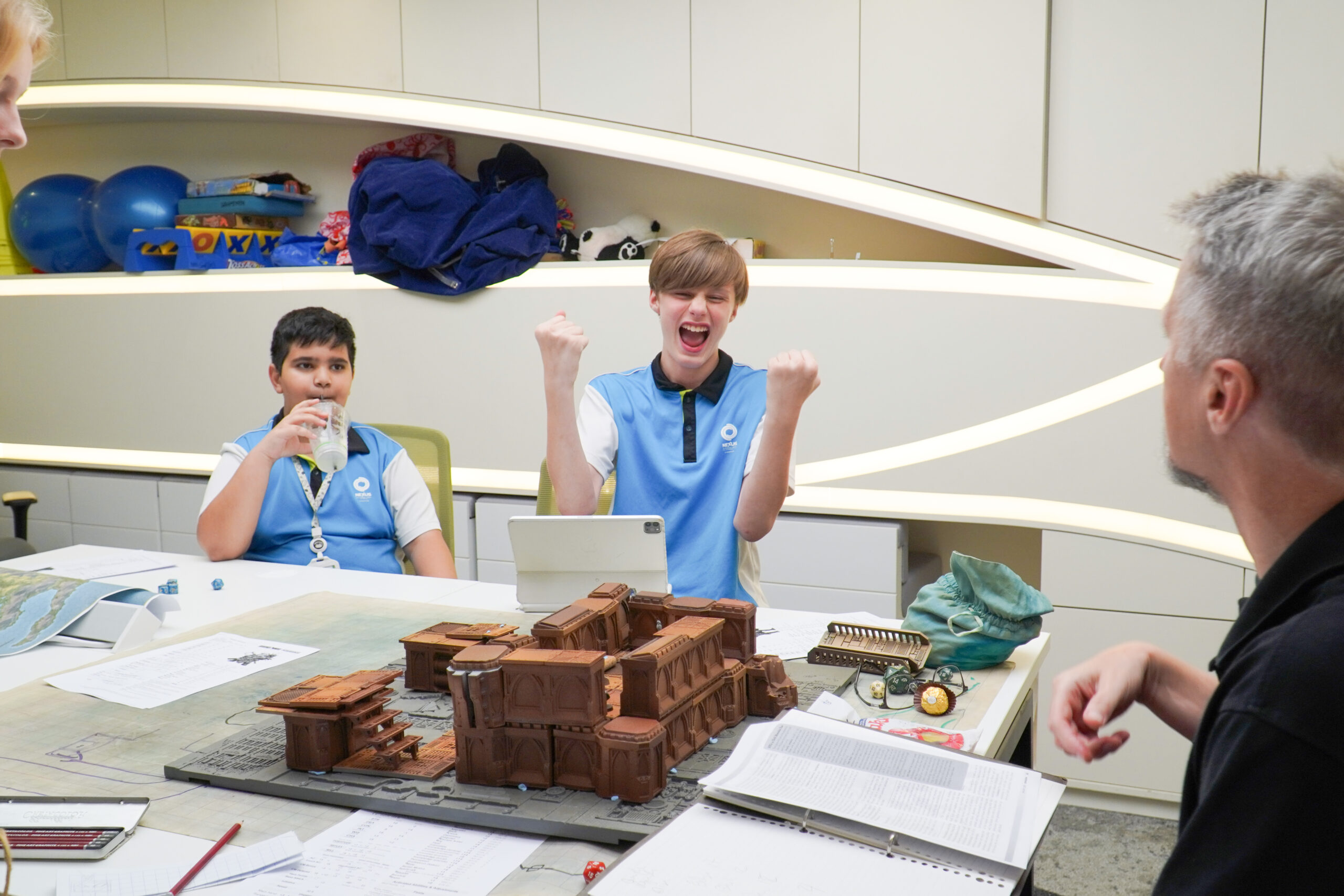
For the learners, the CCA is about far more than fantasy. It is about belonging. The group brings together learners across year levels, creating friendships that may not otherwise form during the school day.
“We have become a connected community. I would never have met some of these learners if it weren’t for D&D,” says Quynh, Y9 (Level 7 Wizard). “It’s such an open, caring space. We all get along regardless of what age we are.”
For Mr Rene, it is this sense of connection and care that stands out most.
“The learners are truly brilliant to work with. They constantly amaze me with their out-of-the-box thinking, their enthusiasm, their camaraderie and care for each other. Even when the dice fall badly and characters are close to peril, they band together to save each other.”
At its core, Dungeons & Dragons is a collaborative game. There are no individual winners, and success heavily depends on teamwork.
“In a D&D game, it’s the players vs the adventure,” Mr Rene explains. “They, as a group, have to collaborate to overcome the obstacles I put in their way. They each play as a character who has a certain skill set and a unique blend of traits. One character might be physically strong, one might be well-versed in spells, one might know 5 languages. By looking at each other’s strengths and weaknesses, the learners work together and grow as a group.”
To ensure that every learner is involved, sessions are carefully structured so that everyone has the opportunity to contribute.
“The game is typically played in what I call an ‘initiative order’ where each player is given time to tell me what they intend to do at this particular moment. This means everyone has a voice at the table,” says Mr Rene. “I also have a few Dungeon Master tricks I typically use for the players. One is ‘The Rule of Cool’, meaning if you attempt something that might fall outside the traditional rules of the game, BUT it is narratively cool and substantially heroic, you can still try to see if you succeed. The other is the concept of ‘Hero Points’. The players have a small pool of Hero Points that they can spend during the game… Typically, to reroll a bad die roll or to prevent something catastrophic from happening.”
Learners must also rely on one another to navigate disagreements and recover when plans do not go as expected.
“Combat can get pretty crazy and hectic,” says Elise, Year 8 (Level 7 Ranger). Outside of that, we are all pretty chill, but we go back again to previous parts of the quest to try and fix things if something goes wrong.”
Through this process, learners build skills that extend well beyond the game. As they collaborate to solve problems, make decisions under pressure and adapt when plans change, learners develop communication skills, strategic thinking and leadership in a highly social, creative environment.
“There is a lot of fast thinking, teamwork and leadership,” says Reyansh, Year 8 (Level 7 Wizard).
“And definitely lots of controlled chaos!” adds Elise.
Stepping Into Another Role
The roleplaying element allows learners to experiment with confidence and creativity in a safe, supportive environment.
By stepping into a character, learners express their ideas, listen to others and explore different perspectives, all while working collaboratively towards a shared goal. This freedom to try, adapt and take creative risks helps learners build confidence and empathy in a way that feels natural and engaging.
“Stepping into the character sort of feels like just becoming a whole other personality,” says Quynh. “I get to be kind of crazy with the addition of magical spells.”
Others describe the freedom of being able to express themselves differently.
“We can be extremely open in D&D and have the freedom to develop our characters however we want,” says Elise.
A Different Kind of Learning
Dungeons & Dragons is just one example of how Nexus CCAs create meaningful learning experiences beyond the classroom. Through creativity, collaboration and connection, learners discover new interests, build confidence and find communities where they belong.