We are located in central Singapore with close access to two MRT lines and various bus stops.
1 Aljunied Walk, Singapore 387293
Beyond the Bright Colours: Why We’re Embracing "Quiet" Classrooms
Walking into an Early Years or Primary classroom, we often expect a kaleidoscope of colour: posters, drawings, and every inch of wall space covered in learners’ work. It looks vibrant, but have you ever wondered what all that visual “noise” does to a developing mind?
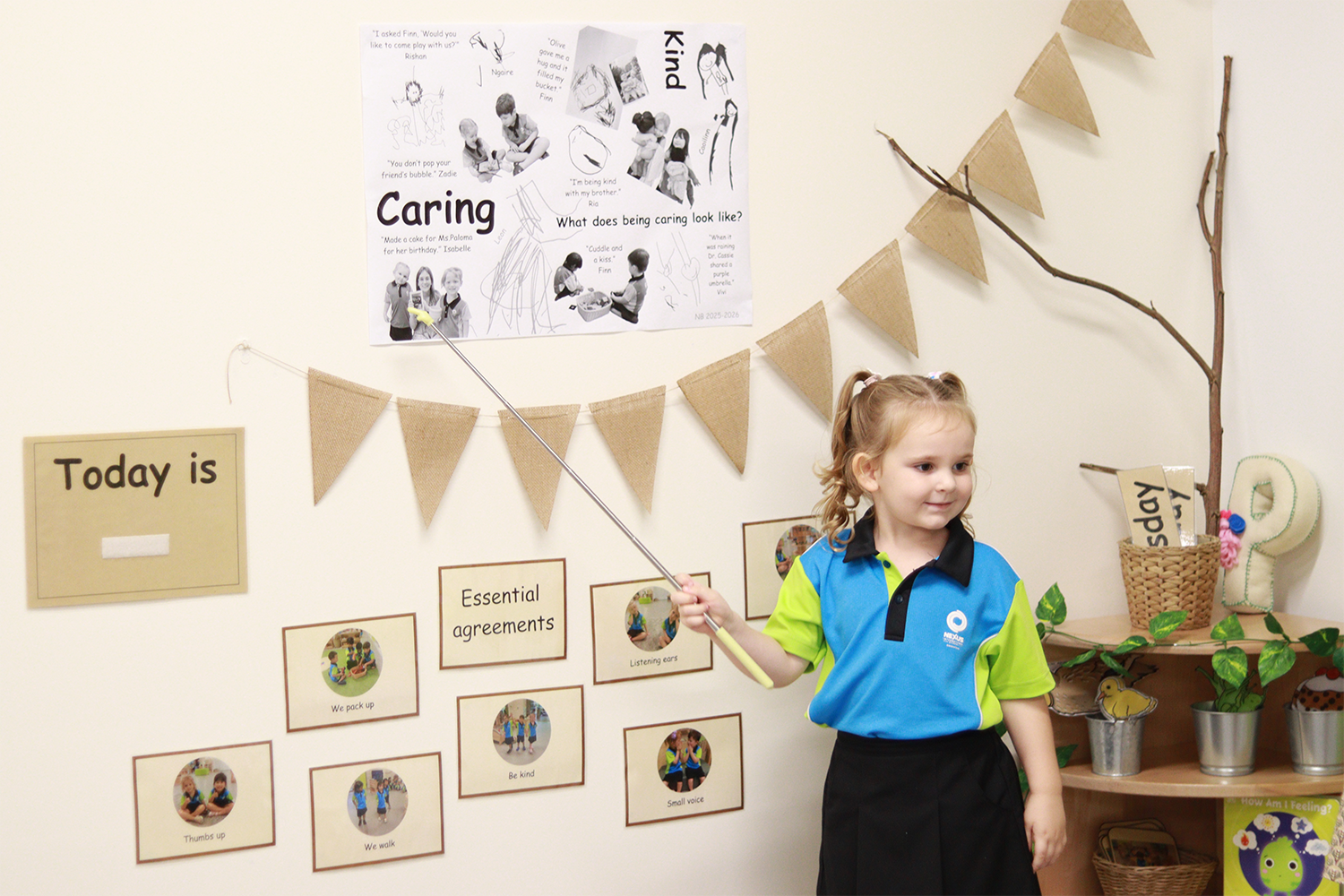
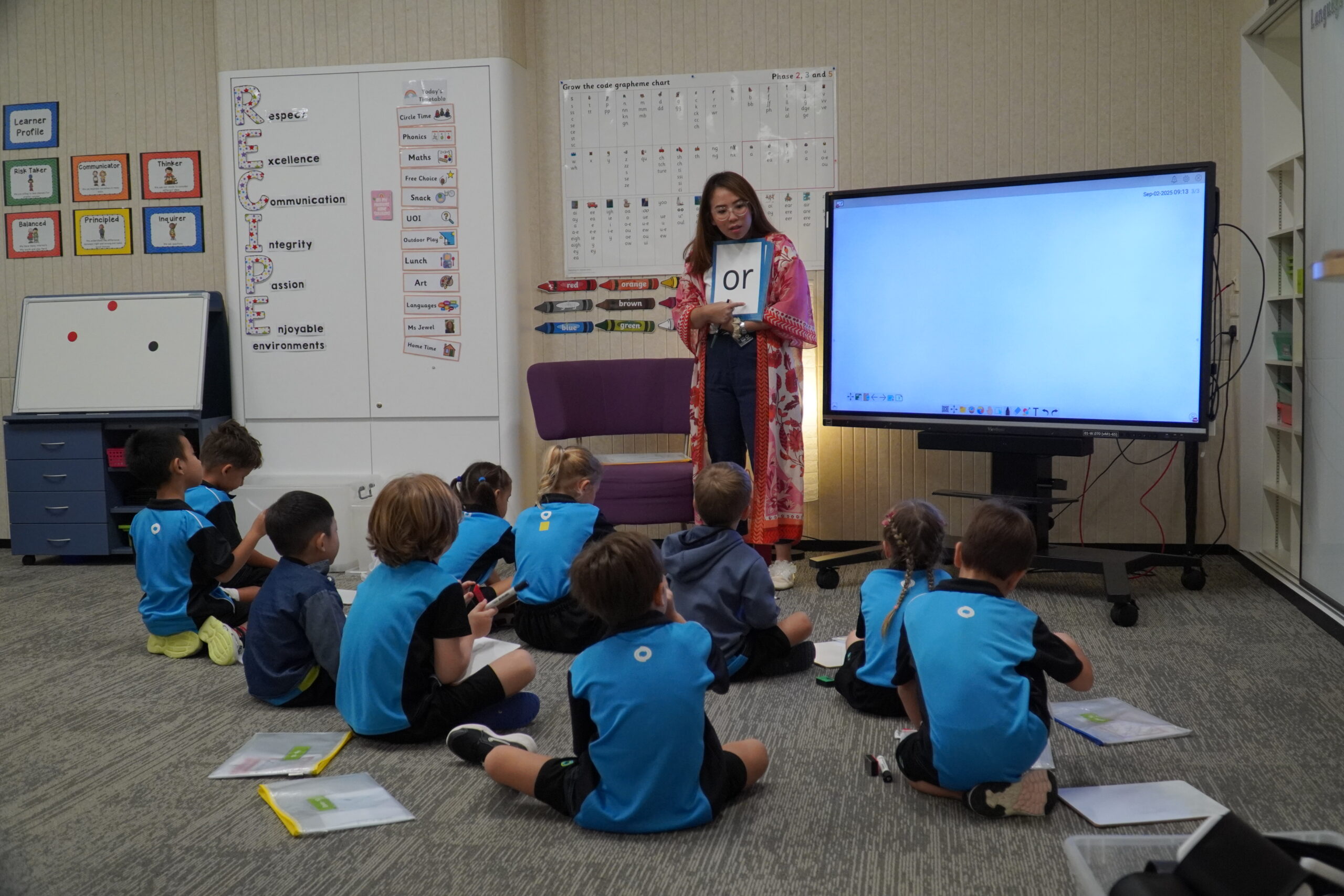
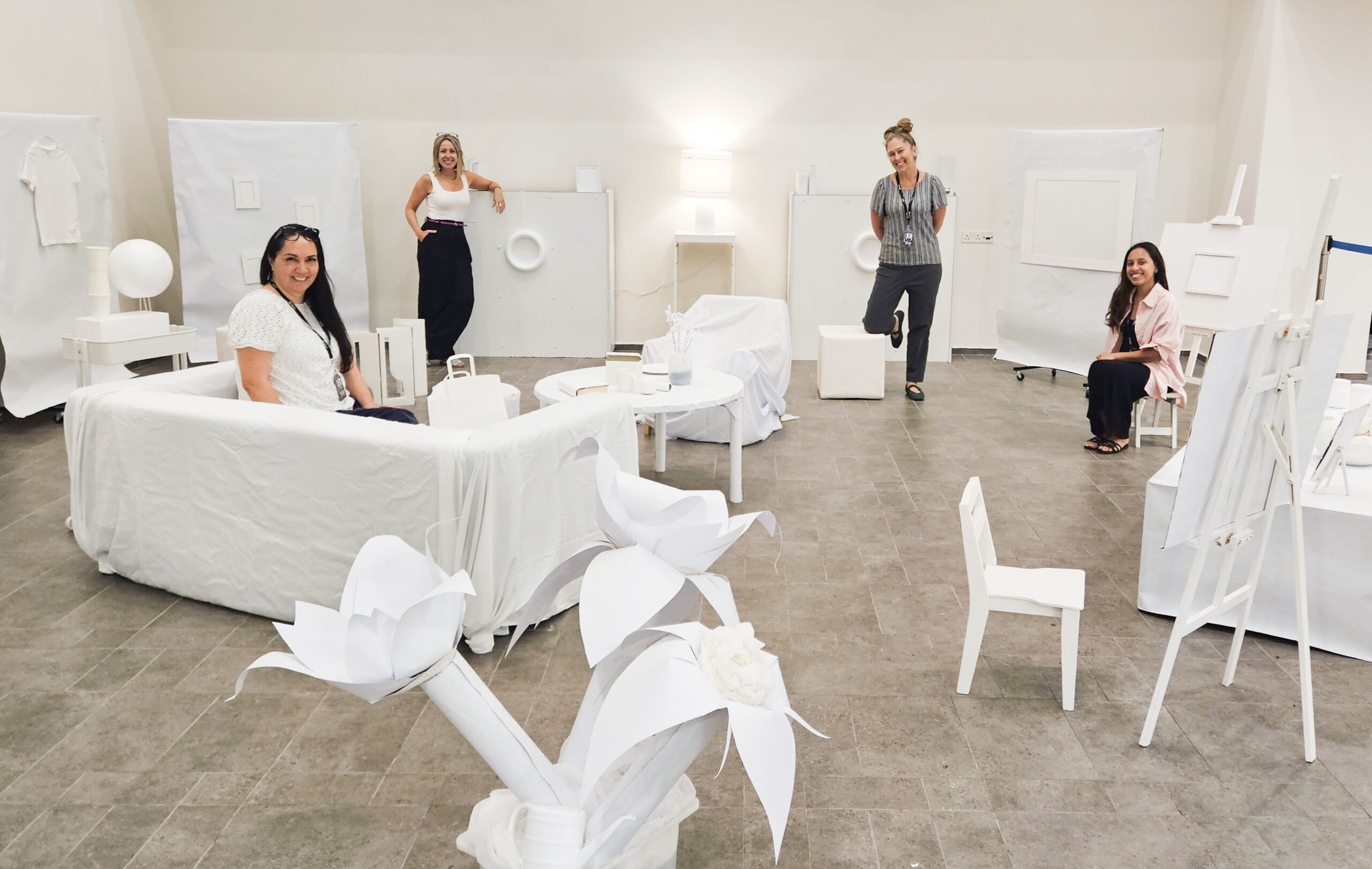
At Nexus, our commitment to evidence-based education means we are constantly looking at how the physical environment impacts the brain. Recently, you may have noticed our Nursery to Year 2 classroom walls looking a little more minimalist.
But this isn’t an empty space—it’s a space designed to nurture high-performance.
The Science of “Extraneous Cognitive Load”
Our brains are remarkable, but they have a finite capacity for processing information. In educational psychology, we talk about Cognitive Load Theory.
When a child is trying to master a new phonics sound or a math concept, their “working memory” is hard at work. If the walls around them are crowded with unrelated stimuli, the brain struggles to filter out the “noise” to focus on the “signal.” This is what we call extraneous cognitive load—unnecessary information that competes for a child’s attention.
Why Less is More for Learners
Research into environmental stimuli suggests that “cluttered” spaces can lead to:
Reduced Attention Spans: Children find it harder to stay on task when the environment is “loud.”
Impacted Working Memory: The brain spends energy processing the decor rather than the lesson.
Increased Stress Responses: A busy environment can subtly overstimulate the nervous system.
By creating “Quiet Walls,” we are intentionally lowering the barrier to entry for learning. We are giving our learners the mental “white space” they need to think deeply, focus longer, and feel calmer.
Where Does the Art Go?
Rest assured, we are still incredibly proud of the beautiful, creative work our learners produce! While our learning walls stay focused and functional to support active teaching, we still find intentional ways to celebrate and display learners’ achievements that don’t distract from the core learning objectives.
Dive Deeper into the Research
We invite you to explore the science behind our classroom design. If you’re interested in how the brain learns best, here are a few resources our team recommends:
Watch: Cognitive Load Theory in 3 Minutes (video below)
We are excited about these intentional changes and the positive impact they are already having on our learners’ focus. If you have any questions about how we continually adapt our learning environments to support our learners, please feel free to reach out to our Learning Support Team or our Early Years teaching staff.