Turning challenges into opportunities
The journey was not without setbacks.
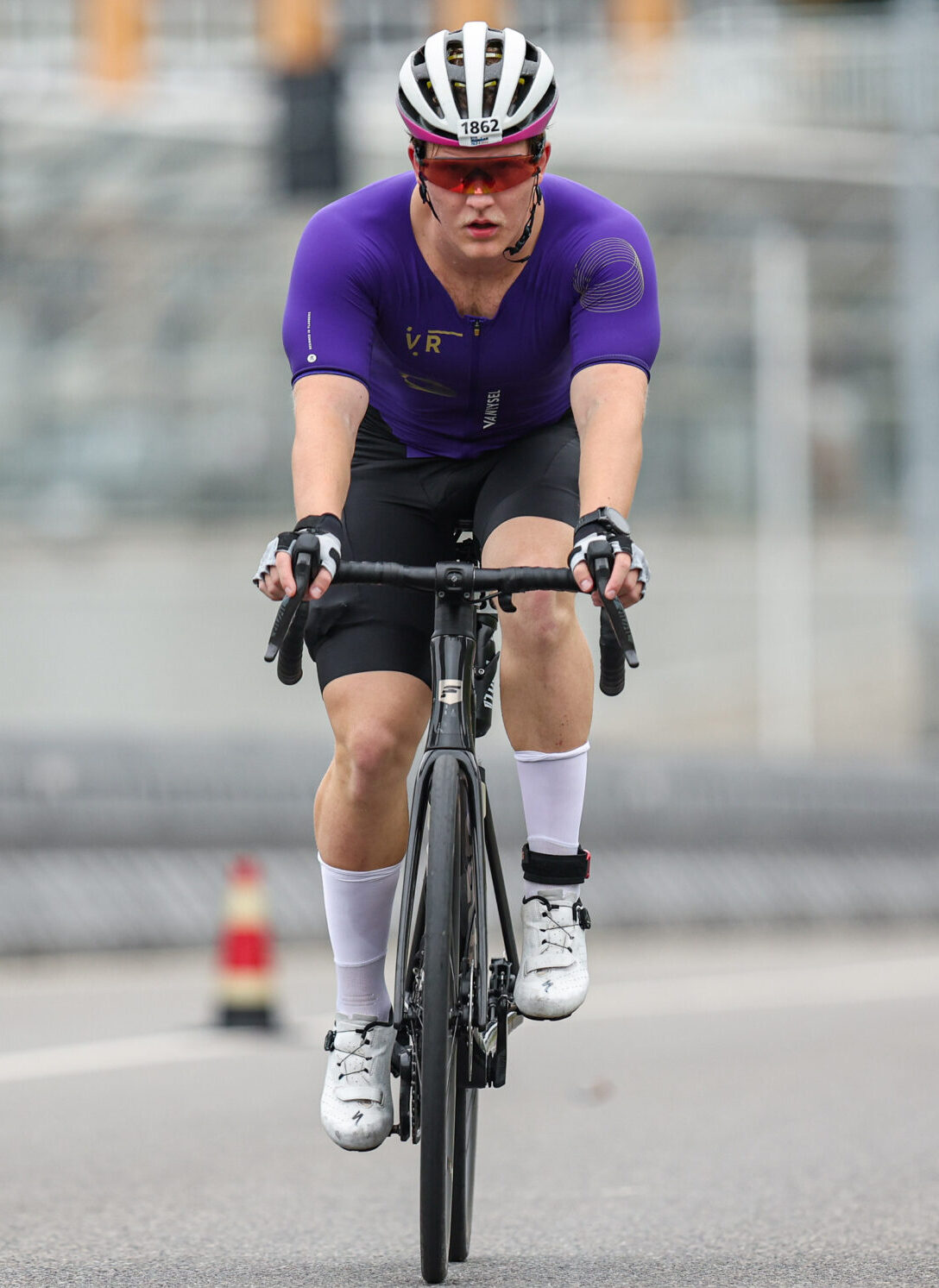
One of Matej’s biggest practical challenges was cycling. During his first year in Singapore, his accommodation did not allow him to keep a bike, meaning he had to rent one. This limited his cycling training during the school year, although he was able to make up for it during the summer in his home country.
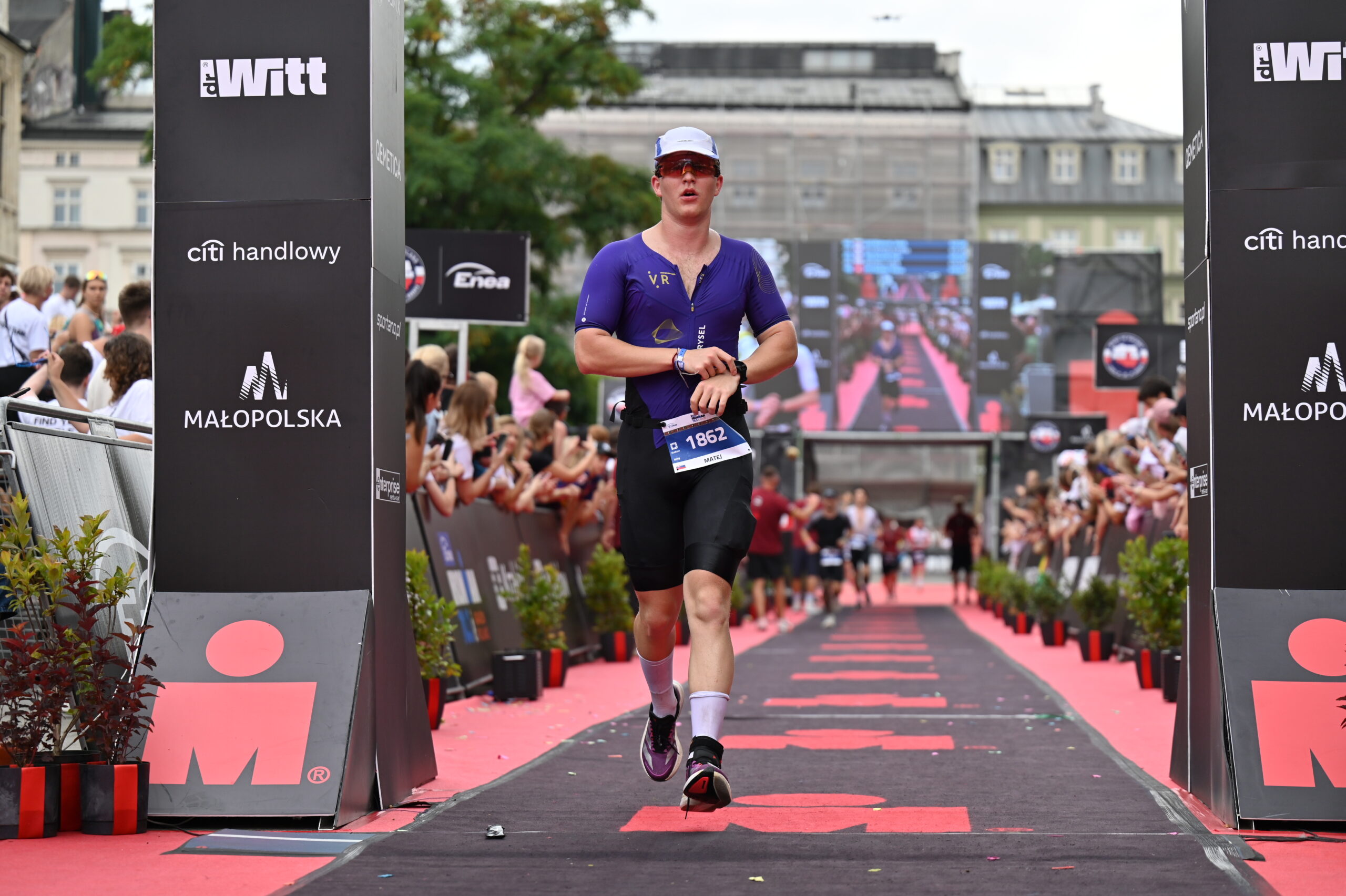
In the end, cycling ultimately became the discipline he was most proud of on race day.
He also suffered a serious back injury at the beginning of February, setting back much of his running progress.
Rather than allowing these setbacks to derail his goal, Matej used the experience to reassess and adapt.
“I always try to replace the word ‘challenge’ with the word ‘opportunity’,” he says. “Seems like it’s working.”
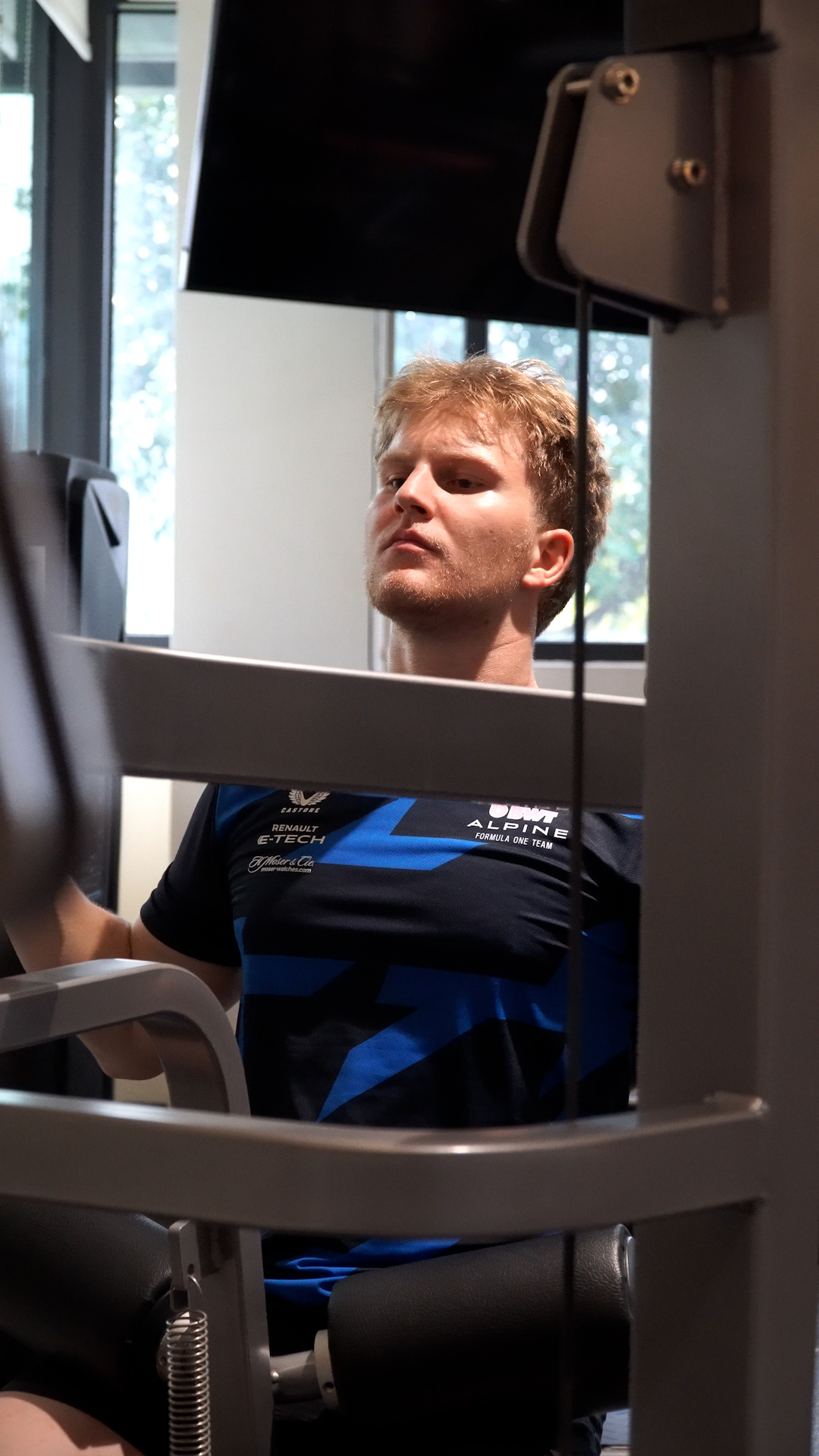
His experience also reinforced how important sport is to his overall wellbeing. During his recovery, he realised just how much he valued movement and physical activity, not only as a competitive pursuit but as an important part of his life.
Where sport and learning meet
For Matej, being an athlete and being an IB learner are not separate parts of his life. In many ways, each strengthens the other.
His interest in mathematics even found its way directly into his Ironman preparation.
While cycling, Matej noticed a physiological phenomenon known as cardiac drift, where heart rate gradually increases during prolonged exercise. He began wondering whether he could use mathematics to determine an optimum fluid intake that would minimise this effect.
The idea became the basis for his Mathematics Internal Assessment.
“Using mathematics I created something I can genuinely use to boost my physical performance, and hopefully academic as well,” he says.
This is a great example of the kind of learning that happens when academic curiosity connects with a learner’s passions and interests beyond the classroom.
Matej believes his varied interests, from mathematics competitions to canoeing and now triathlon, have helped him become a more well-rounded person.
“I believe being a well-rounded person eventually complements both my sports and academics,” he says. “In sports, you can develop a discipline that you can then practise in school, such as time management.”