We are located in central Singapore with close access to two MRT lines and various bus stops.
1 Aljunied Walk, Singapore 387293
Getting Your Child Ready For Early Years
The summer before your child begins school can feel like a huge milestone. With such a big change on the horizon, many parents want their children to feel ready, confident, and excited to take it all in their stride. There are key skills parents can support their children with before their first day in Early Years, helping the transition to school go as smoothly as possible. To support your child’s transition to school, we’ve put together some practical advice from the Nexus Early Years team that will build your child’s confidence and independence, so they feel emotionally and practically ready for school to begin.
Giving your child time to prepare
The first step to preparing your child for starting Early Years is simply to talk about it. In the weeks leading up to their first day, have productive and positive conversations to help your child process the upcoming transition. During these talks, share your excitement for their next step rather than your worries or concerns. You are there to guide them in a calm and supportive way that reassures them about the next few weeks.
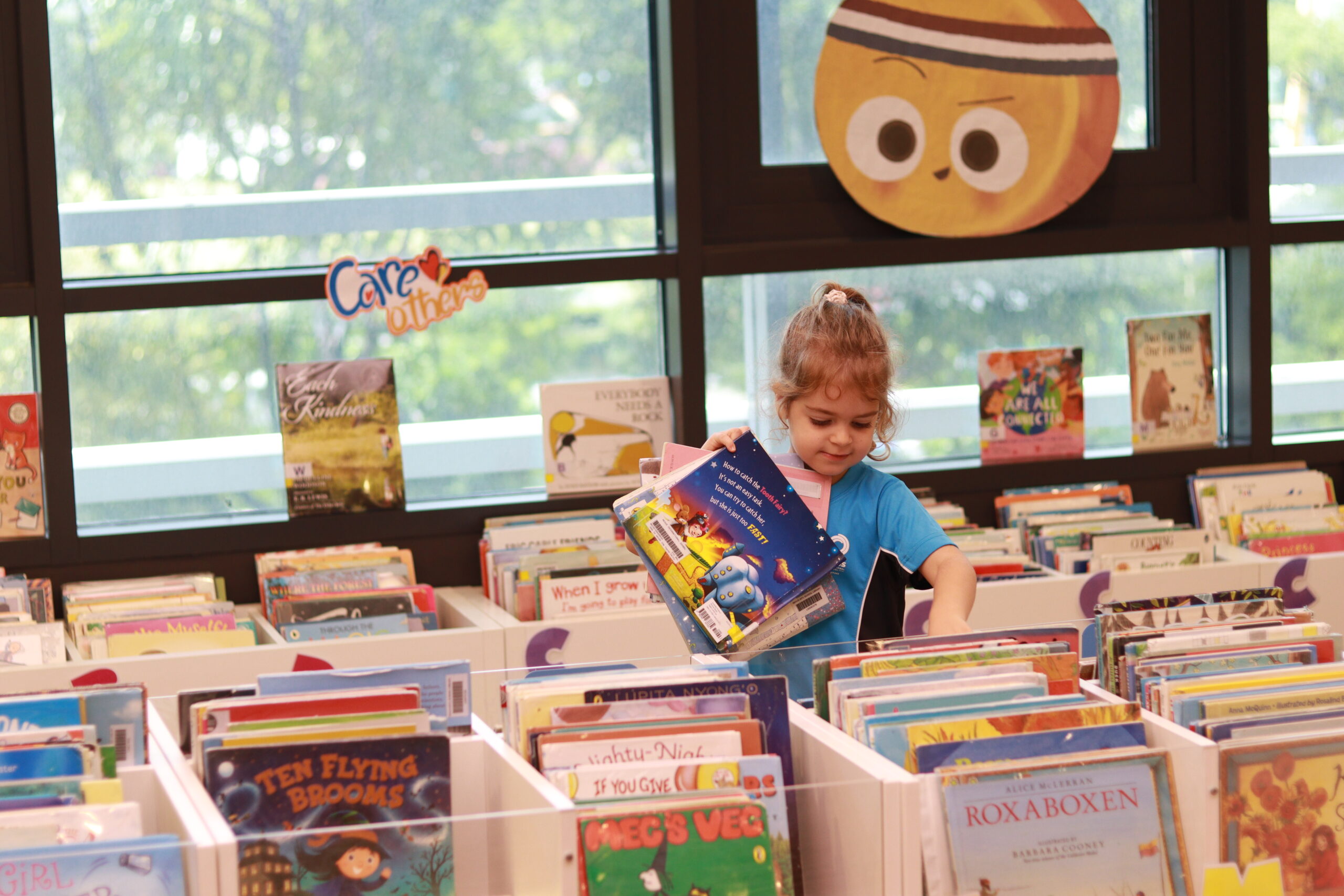
It can also be helpful to talk through what a typical school day might look like. Using picture books about starting school can support these conversations. Stories can also help children recognise and name their feelings, whether that is excitement, nervousness, or curiosity. They create natural opportunities for questions, allowing you to address any concerns and focus on things they are excited about.
Starting healthy routines
There are small, consistent routines you can work on at home to make the overall transition to school life more manageable for your child. Establishing set bedtime and wake-up times helps regulate their energy levels and ensures they are well-rested and ready to engage with the day. Gradually adjusting these routines in the weeks before school begins can also have a longer-term positive effect on their development at home and in school.
Limiting screen time, particularly in the evenings, can also support better sleep and help children wind down more naturally. Replacing screens with calming activities such as reading or quiet play creates a more restful end to the day.
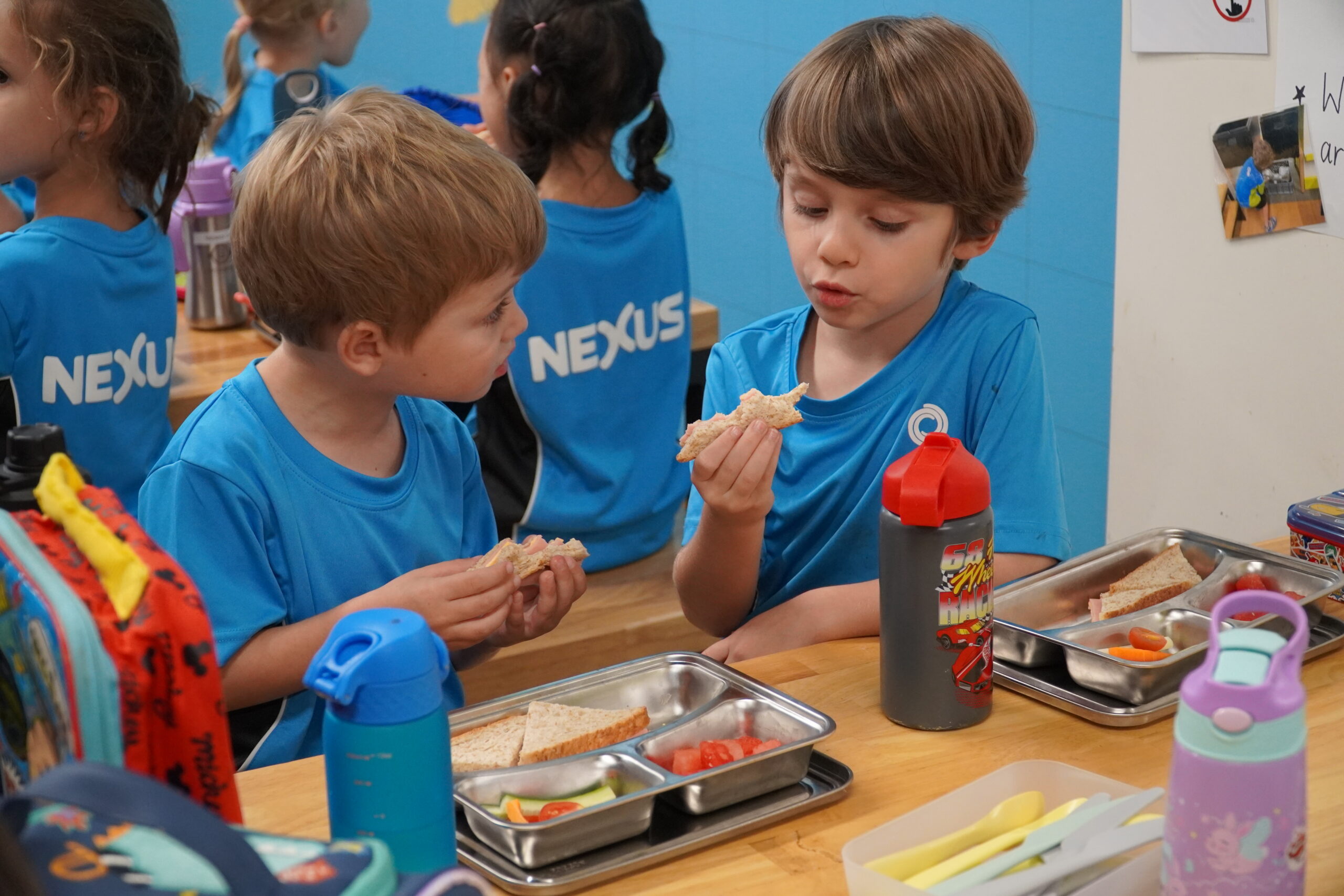
Healthy eating habits also play an important role in their school readiness. Offering a balanced, varied diet and encouraging your child to try new foods can help them feel more confident at snack and lunchtime, especially in a new environment. Familiarity with different foods reduces anxiety and supports their independence. At Nexus, we value mealtimes as an opportunity to gather together as teachers and learners. Early Years learners all benefit from ‘learning lunches’, which involve sharing complementary meals carefully curated by our expert educators and catering teams.
Becoming more independent
In the Early Years, learners are encouraged to take small steps towards looking after themselves, helping to build confidence and a sense of capability. As a taught skill, developing independence starts at home by giving your child responsibilities and ownership over their toys and school belongings.
You can also support their independence by:
Practising dressing and undressing themselves, including zips, buttons, and shoes.
Setting up a “lunch routine” where your child opens containers, unwraps food, and uses cutlery independently.
Encouraging tidying up toys after play.
Arranging short periods of time with trusted adults (family members or playdates) to build comfort with separation.
Giving your child time to try tasks independently, only prompting gently after they’ve had several attempts.
Ensuring your child practises going to the bathroom independently so that they feel confident in their new school setting.
Building relationships and communicating
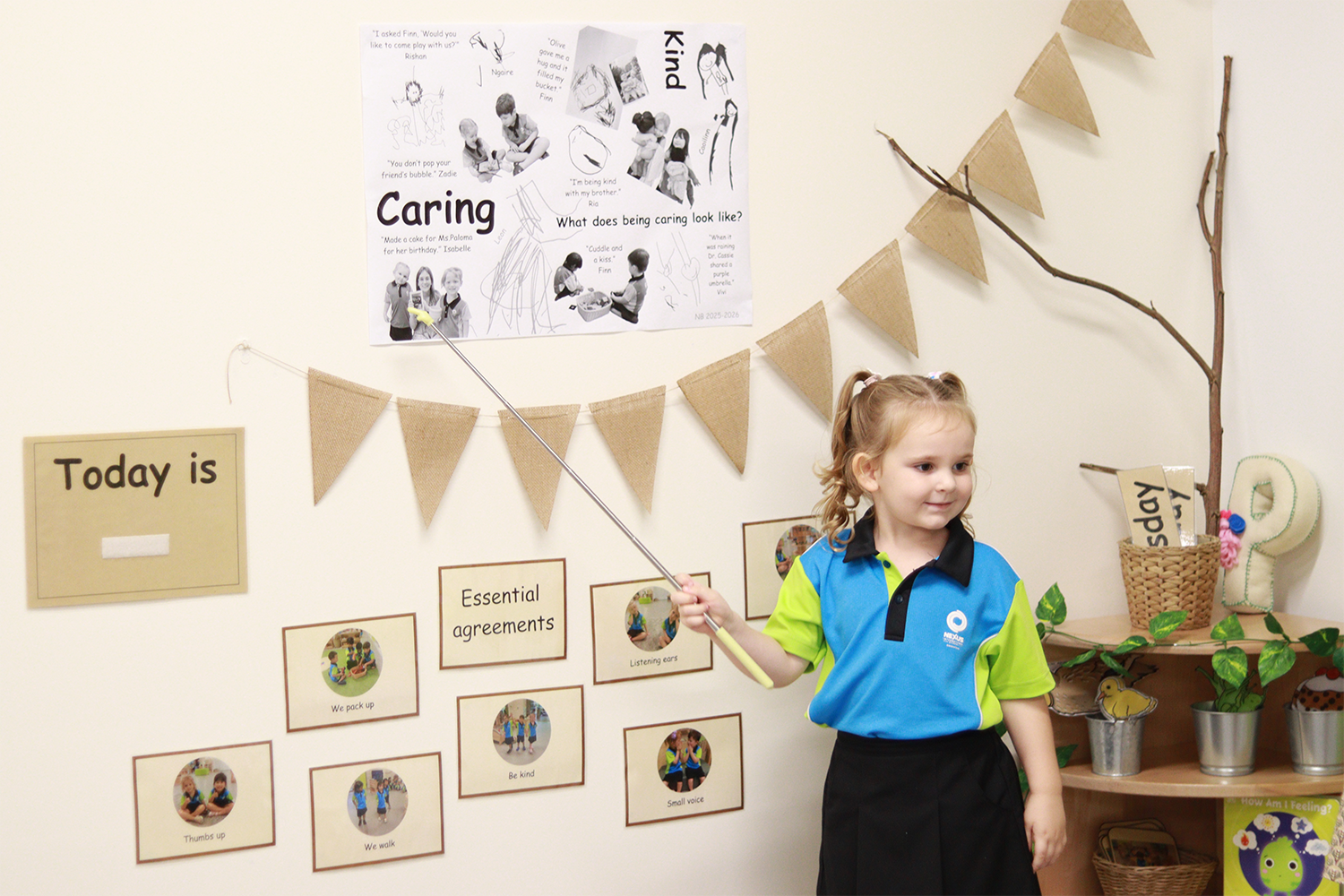
Building relationships and developing communication skills are essential for helping children feel confident and settled at school. One important aspect is learning to manage big emotions, including separating from parents and feeling able to seek support from teachers when needed. Reassuring your child that adults at school are there to help can make this transition easier.
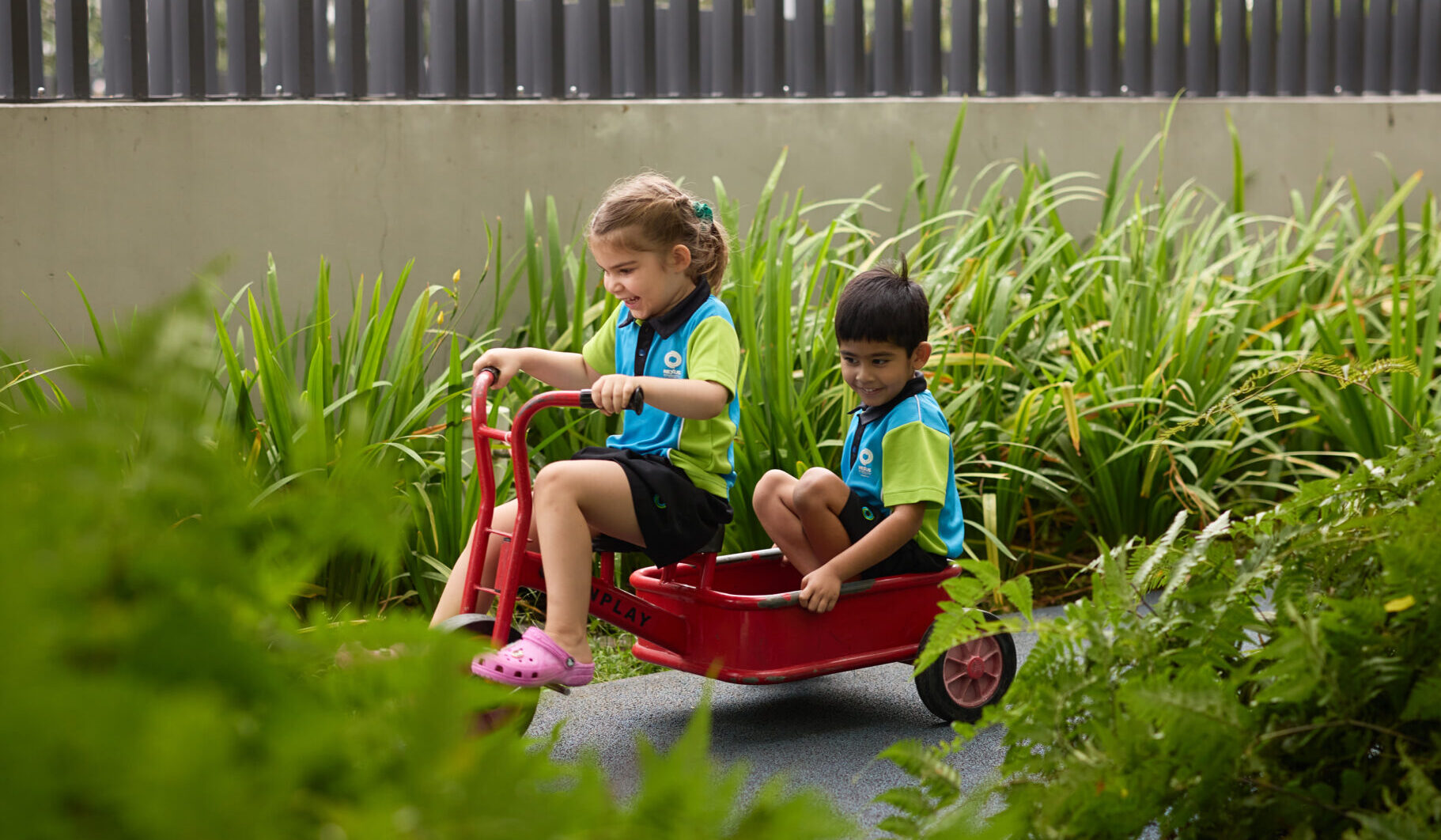
Spending time with other children also helps them practise important social skills such as sharing, taking turns, and setting boundaries. Stories are also a useful tool, offering opportunities to talk about how characters feel and how to handle tricky situations. Alongside this, communication skills can be strengthened through everyday interactions, sharing experiences, and spending time in places like playgrounds, where children can spend time bonding with one another.
Preparing foundations for learning
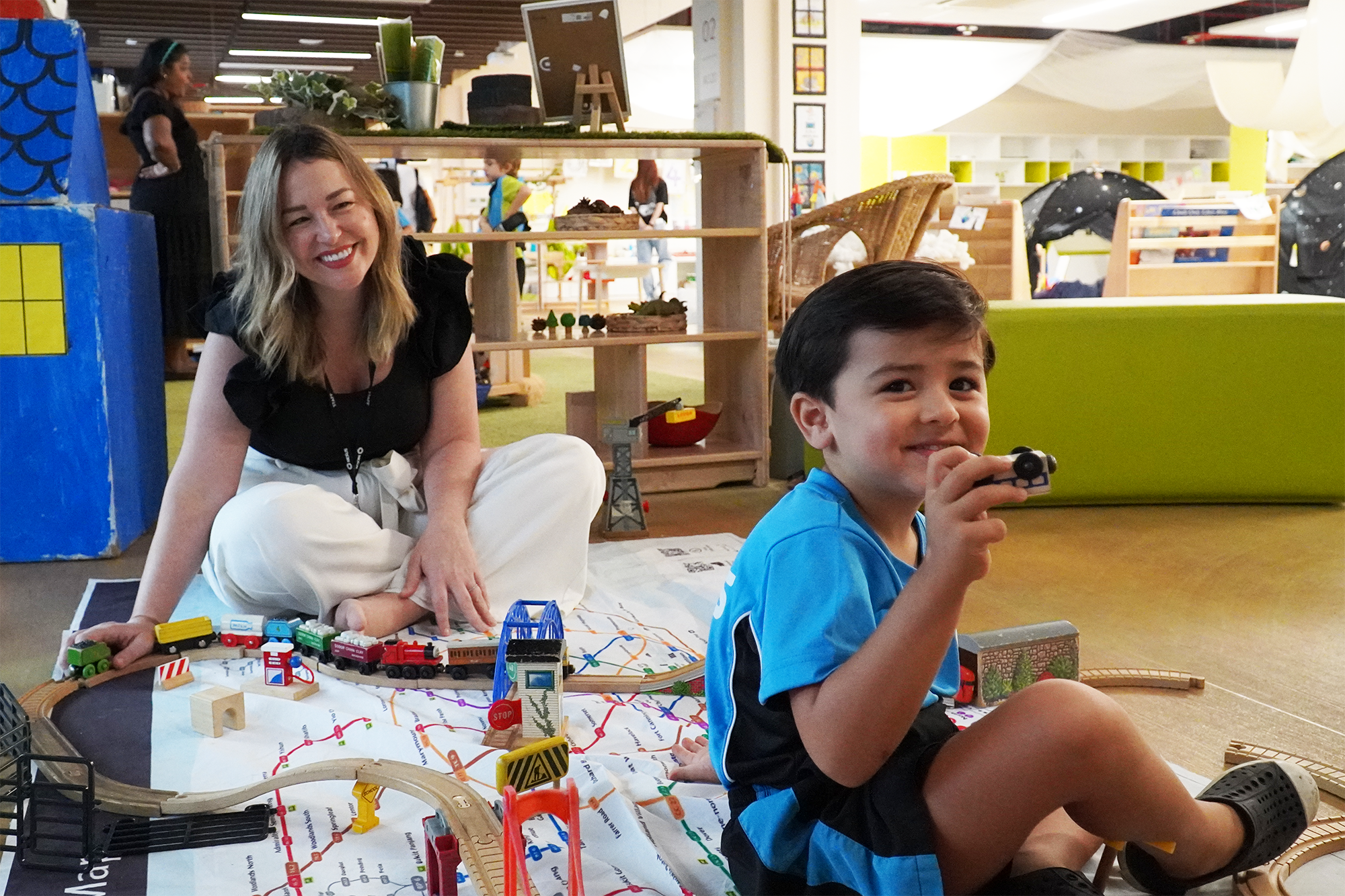
Although there are no explicit educational expectations, such as writing or reading for children starting in Early Years, there are key skills that will help them thrive in the classroom, making their experience more familiar and manageable. This includes practising listening and engaging for short periods, following simple instructions, and developing resilience when things do not go as planned. Simple activities like building blocks can be a great way to show that mistakes are part of learning and to keep trying.
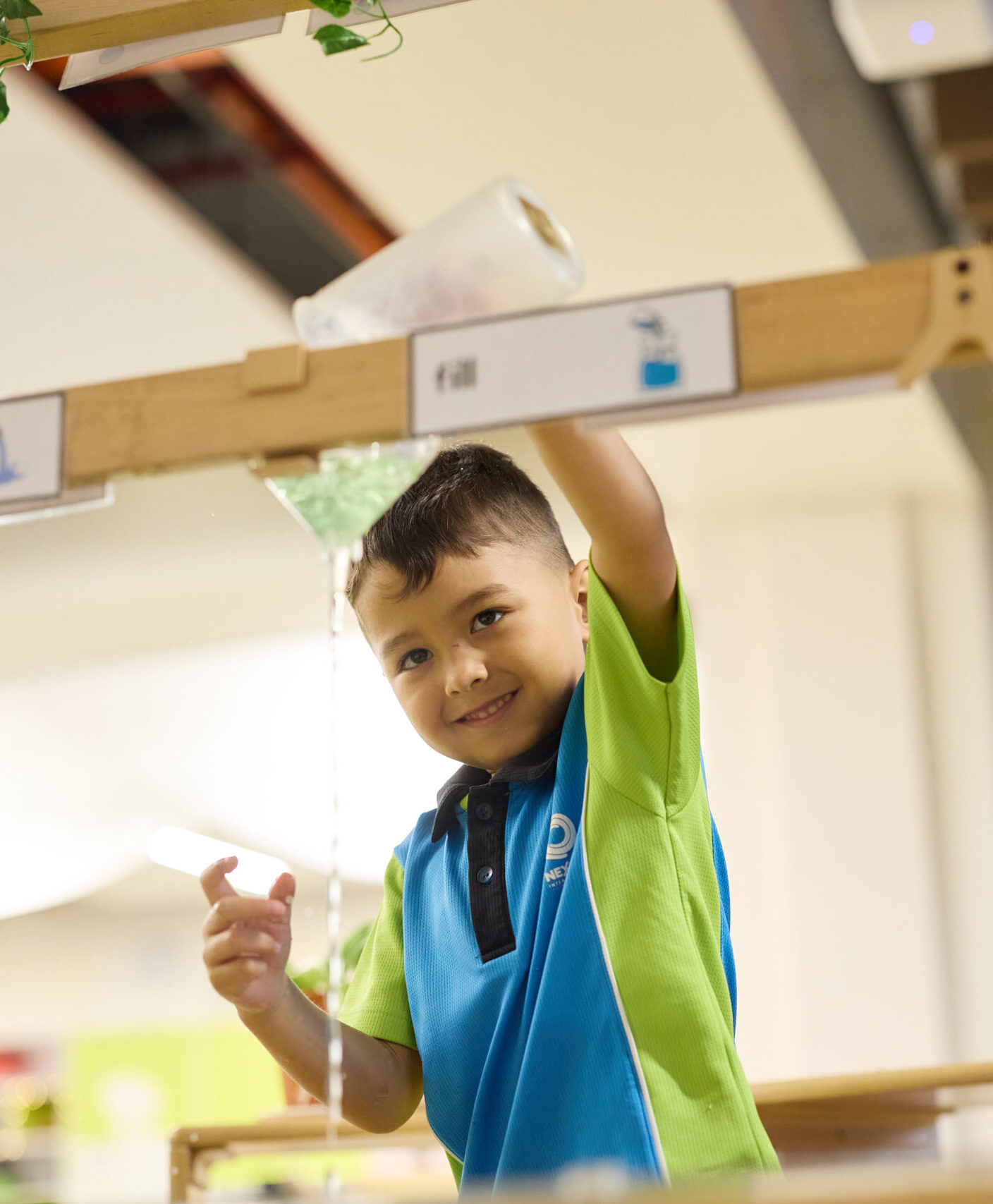
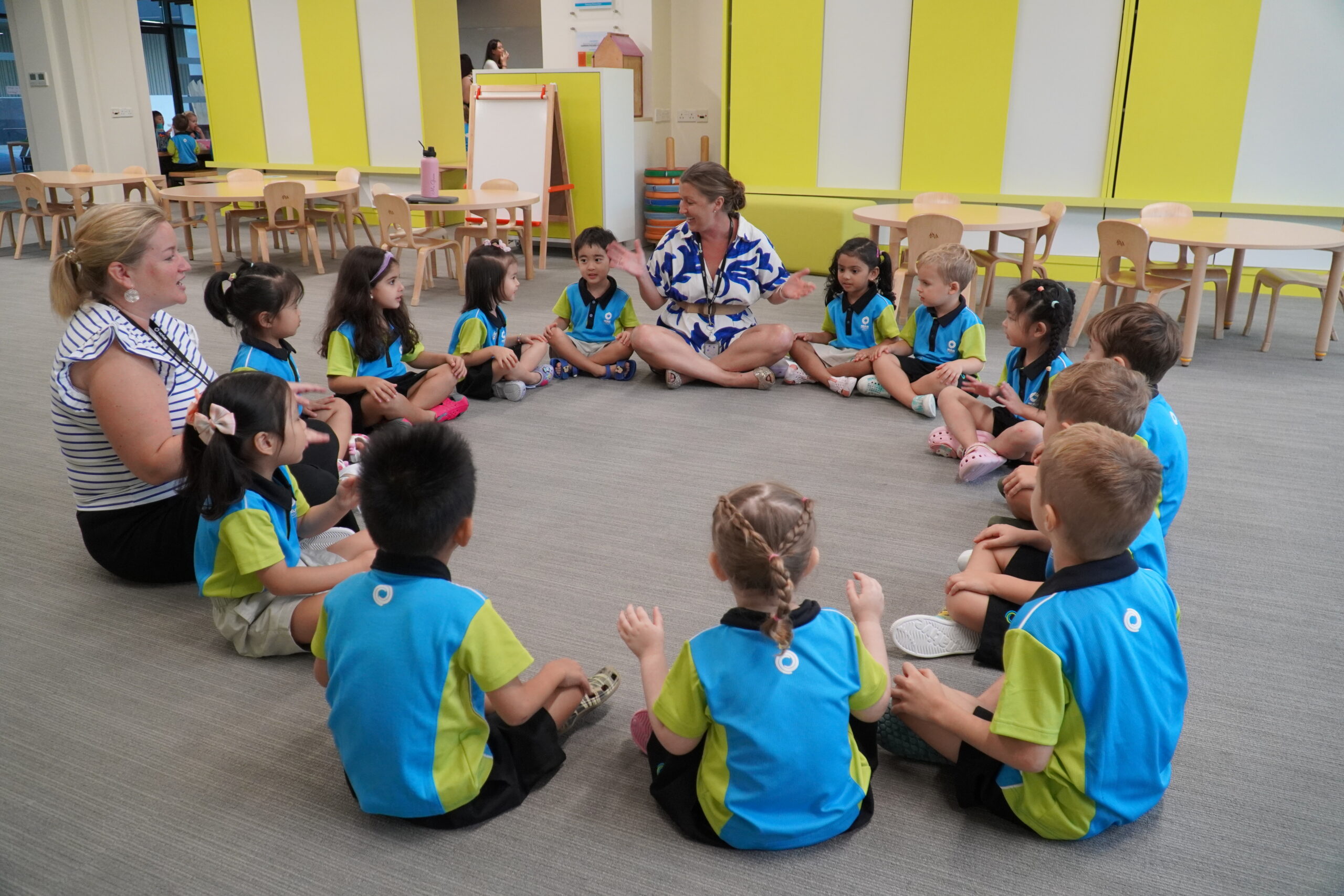
It is also helpful for young learners to practise sitting and focusing for a short teacher-led activity, such as listening to a story or joining in a guided task. You can also support their play, creativity, and curiosity at home through role-play, arts and crafts, story time, and exploring the world around them. These experiences help children develop attention, imagination, and a positive approach to learning.
Working on physical development helps learners feel more confident and capable in their everyday school activities. Fine motor skills, which involve small hand movements, support early writing, creativity, and independence in the classroom. Gross motor skills, which involve larger body movements, are equally important as they help build coordination, balance, and overall physical confidence.
Fine Motor Skill Activities
Gross Motor Skill Activities
Setting up cut-and-stick crafts using child-safe scissors, glue, and scrap paper.
Doing puzzles, threading beads, or simple drawing and colouring activities.
Encouraging mark-making with crayons, chalk, or pencils to build early writing control.
Practising turning pages while reading together, letting your child take the lead.
Visiting playgrounds or parks for climbing, balancing, running, and jumping.
Playing simple ball games, such as rolling, throwing, and catching a large ball to develop coordination.
Working together with Early Years Educators at Nexus
Partnering with your child’s teachers can make the transition into Early Years feel smoother and more reassuring for everyone involved. During the first few weeks, stay in touch with the Nexus Early Years team, share any important information about your child, and let them know if you have any concerns.
Just as importantly, trust the adjustment process. Most children need time to settle into a new routine, build relationships, and grow in confidence, and that is perfectly normal. This preparation supports your child’s transition into Early Years and reassures you, as a family, that you are ready for this new chapter together.